
Home Plumbing Tips
Your kitchen sink is draining slowly. There’s a faint dripping sound behind the bathroom wall. The water pressure in your shower feels weaker than last month.
Most homeowners ignore these signs until a small issue turns into a flooded bathroom and a $500 repair bill.
The truth is, most plumbing problems don’t happen overnight. They build up quietly over weeks or months. And the homeowners who catch them early are the ones who know what to look for.
This guide covers the most useful home plumbing tips that actually make a difference — whether you’re a first-time homeowner or you’ve been managing a house for years. You’ll learn how to maintain your pipes, spot warning signs early, reduce water waste, and know exactly when to call a professional.
What Are Home Plumbing Tips?
Home plumbing tips are practical, actionable pieces of advice that help homeowners maintain their water supply, drainage, and pipe systems. They cover everything from preventing clogs and leaks to managing water pressure and protecting pipes in cold weather — all aimed at avoiding expensive repairs and keeping your home running smoothly.
Quick Summary
Learn to check for leaks, protect your pipes, maintain water pressure, avoid drain clogs, and know when a plumber is truly necessary. These simple habits can save you hundreds of dollars every year.
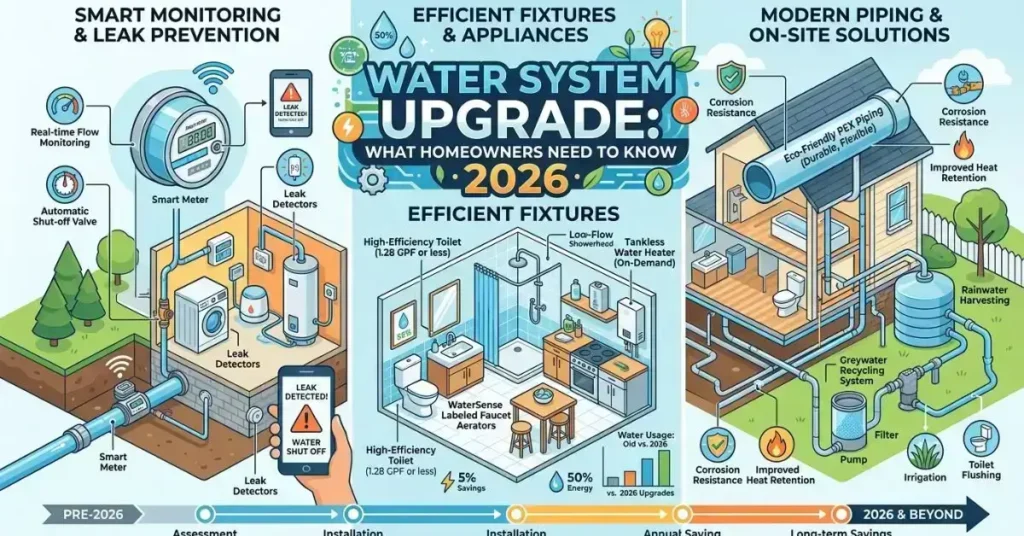
Start With the Basics: Know Your Water System
Before you can maintain anything, you need to understand what you’re working with.
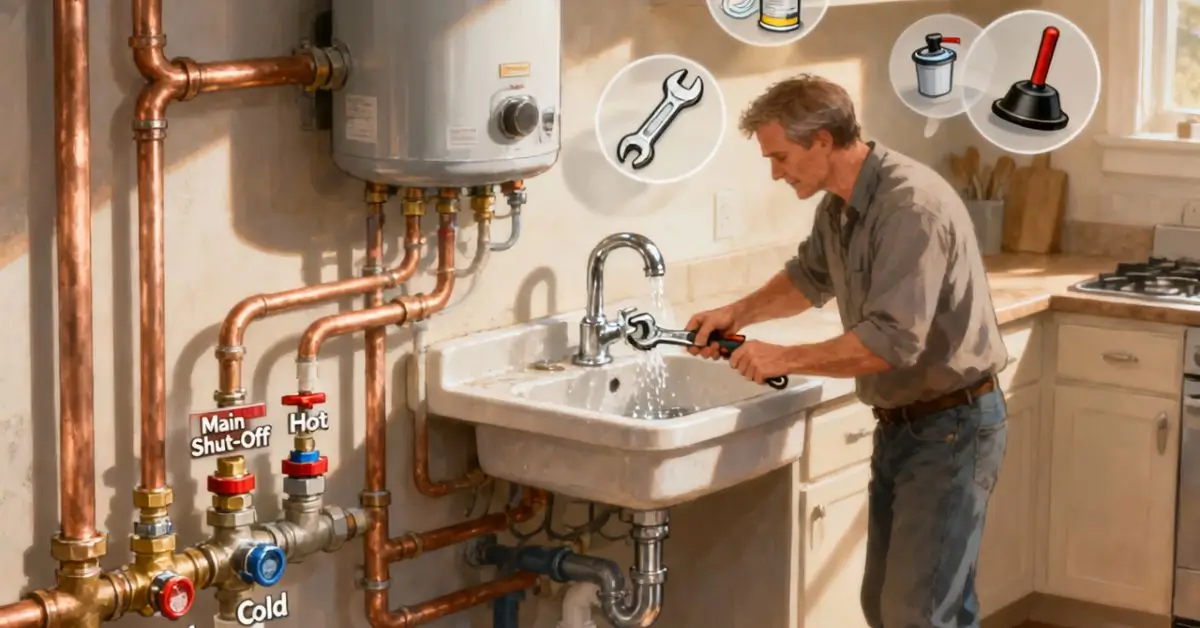
Every home has a main water shut-off valve. Do you know where yours is? If a pipe bursts at 2 a.m., you’ll have about 30 seconds to find it before water starts damaging your floors and walls.
Walk through your home and locate:
- The main shut-off valve (usually near the water meter, in the basement, or outside)
- Individual shut-off valves under sinks and behind toilets
- Your water heater and its age (most last 8–12 years)
Knowing these locations is one of the most overlooked home plumbing tips — and one of the most important.
Check for Leaks Before They Get Expensive
A slow leak might not seem like a big deal. But a faucet dripping once per second wastes more than 3,000 gallons of water per year, according to the EPA. That’s money going straight down the drain.
Here’s how to check for hidden leaks:
- Turn off all water in your home
- Check your water meter
- Wait 15–20 minutes without using any water
- Check the meter again — if it moved, you have a leak somewhere
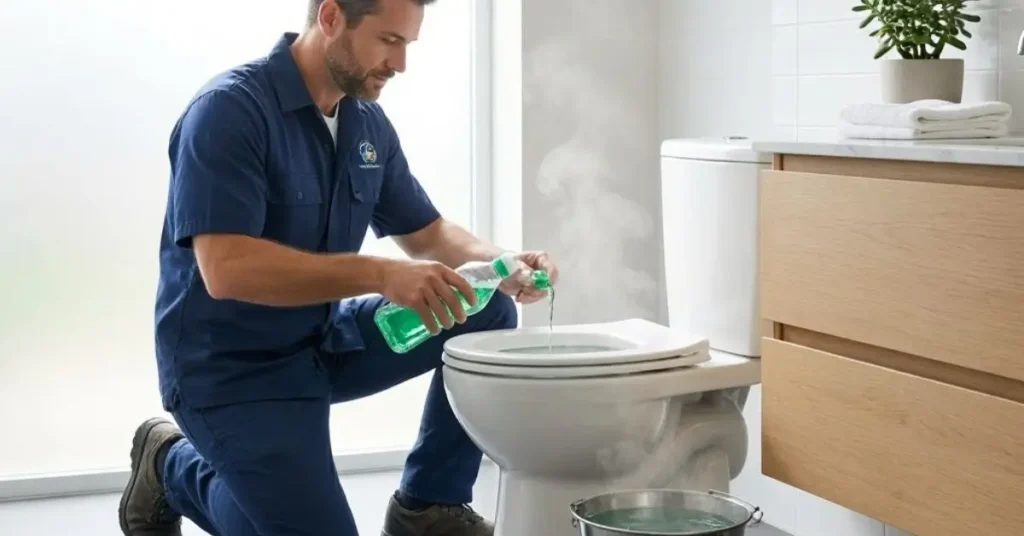
For toilets, put a few drops of food coloring in the tank. Wait 10 minutes without flushing. If the color shows up in the bowl, your flapper valve is leaking. A replacement flapper costs about $5 at any hardware store.
Check under sinks regularly too. Look for water stains, soft cabinet wood, or small rust marks — these are signs of slow drips you can’t see directly.
Keep Your Drains Clear (Without Harsh Chemicals)
Clogged drains are one of the most common plumbing problems in American homes. Hair, grease, soap scum, and food buildup are the usual suspects.
The best approach is prevention.
- Use a drain strainer in every shower and tub — they catch hair before it reaches the pipe
- Never pour cooking grease down the kitchen sink — it hardens inside pipes and causes serious blockages
- Run hot water for 30 seconds after washing dishes to push soap and food residue further down the drain
If a drain is already slow, try a mixture of baking soda and white vinegar before reaching for chemical drain cleaners. Pour half a cup of baking soda, followed by half a cup of vinegar. Let it fizz for 15 minutes, then flush with hot water.
Chemical drain cleaners like Drano work — but they can also corrode older pipes with repeated use. Use them sparingly.
Manage Your Water Pressure the Right Way
High water pressure feels great in the shower, but it quietly destroys your pipes, appliances, and fixtures over time. Normal residential water pressure should sit between 40–60 PSI (pounds per square inch).
You can buy a simple pressure gauge at any hardware store for around $10. Screw it onto an outdoor hose bib and check the reading.
If your pressure is above 80 PSI, you need a pressure reducing valve (PRV). This is one job worth hiring a plumber for — an improperly installed PRV can cause more problems than it solves.
Low pressure is a different issue. It can signal a pipe leak, mineral buildup in your aerators, or a failing pressure regulator. Start by cleaning the aerators (the small screens at the tip of your faucets) — mineral deposits block them regularly, especially in areas with hard water.
Protect Your Pipes in Cold Weather
If you live in a region that gets real winters — Minnesota, Chicago, upstate New York, or similar areas — frozen pipes are a genuine risk.
When water freezes inside a pipe, it expands. That expansion can crack or burst the pipe, leading to water damage that can cost thousands of dollars to fix.
Simple steps to prevent frozen pipes:
- Keep your thermostat at or above 55°F even when you’re away
- Open cabinet doors under sinks on exterior walls to let warm air reach the pipes
- Disconnect and drain outdoor garden hoses before the first freeze
- Insulate exposed pipes in unheated spaces like garages, basements, and crawl spaces using foam pipe insulation (very affordable at hardware stores)
If a pipe does freeze, never use an open flame to thaw it. Use a hair dryer or heating pad, starting from the faucet end and working backward.
Your Water Heater Needs Attention Too
Most people never think about their water heater until it stops working. That’s a mistake.
Annual maintenance tasks:
- Flush the tank to remove sediment buildup — sediment makes your heater work harder and reduces its lifespan
- Check the anode rod — this metal rod prevents tank corrosion and should be replaced every 3–5 years
- Test the pressure relief valve — this safety device prevents the tank from over-pressurizing
If you hear popping or rumbling sounds from your water heater, that’s sediment heating up inside the tank. Flushing it out usually solves the problem.
A well-maintained water heater lasts 10–12 years. Neglected ones often fail in 6–8 years.
One Helpful Reference: Common Plumbing Problems and What to Do
| Problem | Likely Cause | DIY Fix? | When to Call a Plumber |
|---|---|---|---|
| Slow drain | Hair, soap, or grease buildup | Yes | If multiple drains are slow |
| Dripping faucet | Worn washer or O-ring | Yes | If internal valve is damaged |
| Running toilet | Flapper valve failure | Yes | If handle or fill valve is broken |
| Low water pressure | Clogged aerator or leak | Sometimes | If pressure drop is sudden or widespread |
| Frozen pipe | Exposed pipe in cold area | Sometimes | If pipe has cracked |
| Water heater issues | Sediment or failing part | Flushing only | For electrical or gas components |
Know When to Call a Professional
DIY plumbing is smart — but only up to a point.
Call a licensed plumber when:
- You have a burst pipe or major leak you can’t stop
- Water pressure suddenly drops throughout the whole house
- There’s sewage smell coming from drains — this can indicate a serious venting or sewer issue
- Your water heater is leaking from the bottom
- Any work involves gas lines, main sewer lines, or permits
In the US, plumbing work that involves rerouting pipes or replacing water heaters often requires a permit. A licensed plumber handles this for you — an unlicensed fix could create problems when you sell your home.
Build a Simple Plumbing Maintenance Routine
The homeowners who rarely have expensive plumbing problems are the ones who do small checks regularly.
Here’s a simple schedule:
Monthly:
- Check under sinks for moisture or stains
- Run water in guest bathrooms to keep traps filled
- Clean faucet aerators if pressure feels low
Every 6 months:
- Test your toilet for leaks using the food coloring trick
- Check your water pressure
- Inspect your water heater for rust or moisture
Annually:
- Flush your water heater tank
- Inspect visible pipes in basement or crawl space
- Check outdoor faucets and hose bibs before and after winter
Frequently Asked Questions
What are the most important home plumbing tips for new homeowners?
Locate your main water shut-off valve, check for leaks monthly, and use drain strainers. These three habits prevent most common emergencies and costly surprises.
How do I know if I have a water leak in my home?
Do the water meter test: turn off all water, note the reading, wait 20 minutes. If the meter moved, you have a leak. Also watch for high water bills or damp spots.
How often should I check my home’s plumbing?
Do a quick visual check under sinks monthly. Do a full inspection—including water pressure and water heater—once a year. In cold climates, add a pre-winter pipe check.
Can I use chemical drain cleaners regularly?
No. Regular use can corrode pipes. For clogs, try baking soda and vinegar first. Use chemical cleaners only for stubborn blockages, and sparingly.
What water pressure is normal for a home?
Normal is 40–60 PSI. Pressure above 80 PSI can damage pipes and appliances. Below 30 PSI usually means a leak or blockage. A $10 gauge tests this easily.
How do I prevent pipes from freezing in winter?
Keep indoor temperature above 55°F, insulate exposed pipes in garages or crawl spaces, and disconnect outdoor hoses before freezing temperatures arrive.