
Water System Upgrade
Your water pressure has been getting worse. The water tastes a little off. Your pipes make a banging noise every time you turn off a faucet. Or maybe your home is just old and you’ve started wondering what’s actually running behind those walls.
These are all signs that your home’s water system may need attention — and possibly an upgrade.
A water system upgrade isn’t something most homeowners think about until there’s a problem. But waiting for something to fail completely almost always costs more than upgrading proactively. The right upgrade at the right time can improve water quality, lower utility bills, increase home value, and eliminate years of minor plumbing headaches.
This guide explains what a water system upgrade actually involves, the clearest signs you need one, what your main options are, and how to make a smart decision without overspending.
What Is a Water System Upgrade?
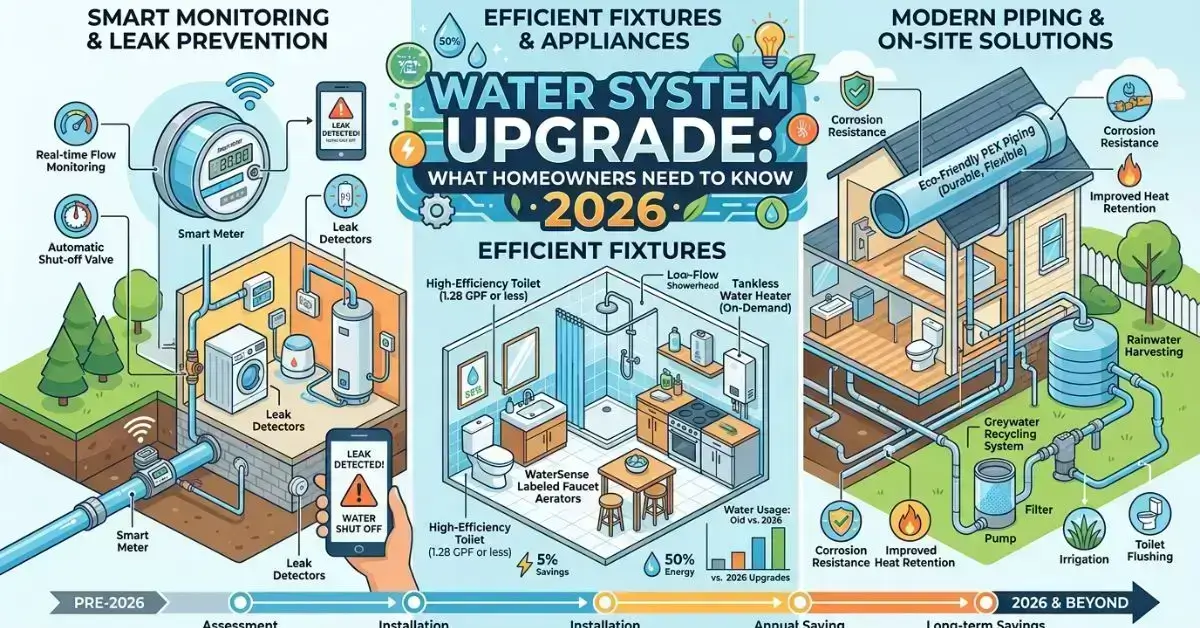
A water system upgrade is the process of improving or replacing one or more components of your home’s plumbing and water supply system. This can include replacing old or corroded pipes, installing a new water heater, adding a filtration system, upgrading fixtures, or improving water pressure regulation — all aimed at making your home’s water supply safer, more efficient, and more reliable.
Quick Summary
A water system upgrade covers everything from replacing old pipes to installing filtration and pressure regulators. Know the signs, understand your options, get the right quotes, and upgrade before a small problem becomes a big one.
Signs Your Home’s Water System Needs an Upgrade
Most water system problems don’t announce themselves dramatically. They show up as small, easy-to-ignore annoyances — until they aren’t small anymore.
Here are the clearest signs it’s time to think about a plumbing upgrade:
1. Low or inconsistent water pressure
If your shower pressure has dropped noticeably or pressure varies between fixtures, it could mean corroded pipes narrowing from the inside, a failing pressure regulator, or a partial blockage in your main supply line.
2. Discolored or bad-tasting water
Rust-colored water usually means corroding pipes — often galvanized steel in older homes. A yellowish or earthy taste can indicate sediment buildup or issues with your water source. Neither is something to ignore.
3. Frequent leaks
One leak can be a coincidence. Two or three in a short period usually means the pipes themselves are aging and weakening throughout. Patching individual leaks in an old system is like putting bandages on a deeper problem.
4. Old pipes with no inspection history
If your home was built before 1980 and you’ve never had a plumbing inspection, there’s a reasonable chance you have galvanized steel pipes that are corroding from the inside out — without any visible sign on the surface.
5. Rising water bills without explanation
If your usage habits haven’t changed but your bill keeps climbing, a hidden leak or an inefficient water heater could be the cause. Both are worth investigating before they get worse.
6. Noisy pipes
Banging (water hammer), rattling, or whistling pipes usually indicate pressure issues, loose fittings, or worn valves. These sounds are your system telling you something isn’t right.
Types of Water System Upgrades
A water system upgrade doesn’t always mean replacing everything. It depends on what’s failing or underperforming in your specific home. Here are the most common upgrade types and what each one involves.
Pipe Replacement
This is the most significant upgrade — and often the most necessary in older homes.
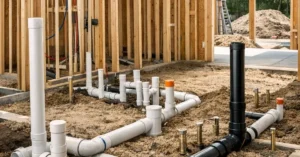
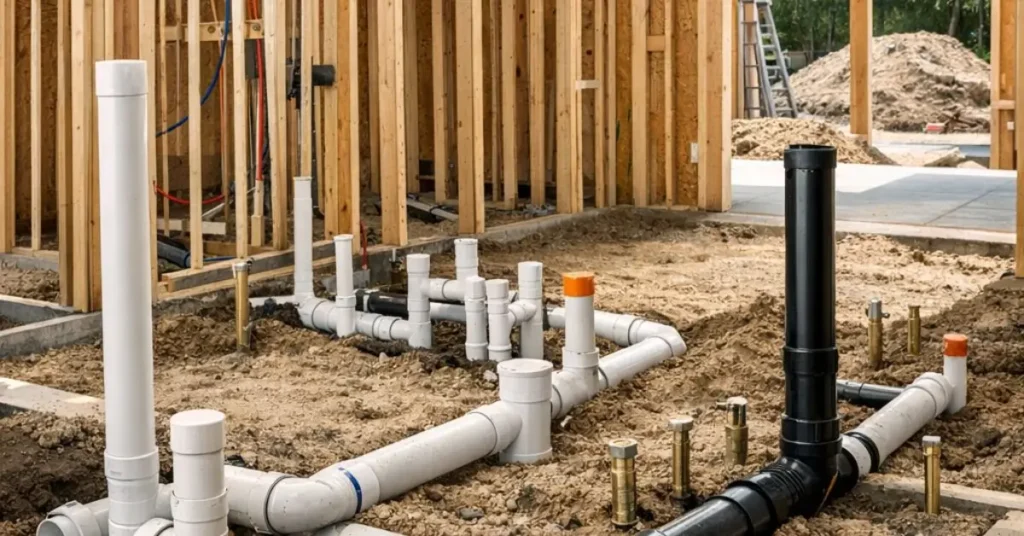
Galvanized steel pipes, common in homes built before the 1970s, corrode from the inside over decades. They restrict water flow, leach rust into your water, and eventually fail. Replacing them with copper or PEX (cross-linked polyethylene) pipes is a long-term investment that solves multiple problems at once.
PEX vs. Copper — a quick comparison:
- PEX is flexible, easier to install, freeze-resistant, and generally less expensive
- Copper is durable, heat-resistant, and has a longer track record — but costs more
For most modern residential upgrades in the US, PEX is increasingly the preferred choice because of its flexibility and lower installation cost.
Water Heater Upgrade
If your water heater is more than 10 years old, it’s worth replacing before it fails — not after. A failed water heater can leak significantly and cause water damage.
Modern options include:
- Tankless water heaters — heat water on demand, use less energy, and last 20+ years
- Heat pump water heaters — highly energy-efficient, qualify for federal tax credits in the US
- Standard tank heaters — lower upfront cost, simpler installation, widely available
A homeowner in Atlanta, for example, switched from a standard 40-gallon tank heater to a tankless unit and cut their water heating bill by roughly 30% annually. The upfront cost was higher, but the long-term savings made it worthwhile.
Water Filtration System
If your water quality is the issue — taste, smell, hardness, or contaminants — a filtration upgrade addresses it at the source.
Common options:
- Whole-house filtration systems — filter all water entering the home at the main supply line
- Under-sink reverse osmosis systems — highly effective for drinking water quality
- Water softeners — remove hardness minerals (calcium and magnesium) that cause scale buildup in pipes and appliances
In areas with hard water — common across much of the Midwest and Southwest US — a water softener can extend the life of pipes, fixtures, and appliances significantly.
Pressure Regulation Upgrade
If your water pressure is too high (above 80 PSI), a pressure reducing valve (PRV) protects your entire system. If it’s too low, a booster pump can bring it up to a comfortable level.
Both are relatively affordable compared to pipe replacement, and both make a noticeable difference in day-to-day use.
Fixture and Valve Replacement
Sometimes the upgrade doesn’t need to go deep into the walls. Replacing old shutoff valves, upgrading to low-flow fixtures, or installing a new main shutoff valve can solve specific problems without major work.
This is often the right starting point before committing to a larger project.
Water System Upgrade Options at a Glance
| Upgrade Type | Common Cost Range (US) | DIY Possible? | Lifespan Improvement |
|---|---|---|---|
| PEX pipe replacement (whole home) | $4,000 – $15,000 | No | 50+ years |
| Copper pipe replacement | $8,000 – $20,000+ | No | 50+ years |
| Tankless water heater | $1,000 – $3,500 installed | No | 20+ years |
| Whole-house water filter | $500 – $2,500 installed | Partial | 5–10 years (filter changes) |
| Water softener | $800 – $2,500 installed | Partial | 10–15 years |
| Pressure reducing valve | $250 – $600 installed | No | 10–15 years |
| Fixture/valve replacement | $100 – $500 per fixture | Yes | Varies |
Costs are estimates and vary by location, home size, and contractor rates.
How to Plan a Water System Upgrade the Right Way
Rushing into a full system replacement without a proper assessment is a common and expensive mistake. Here’s how to approach it sensibly.
Start with an inspection.
Before spending anything, have a licensed plumber inspect your current system. They can tell you what’s actually failing, what has life left in it, and what needs urgent attention. This assessment usually costs $100–$300 and can save you thousands by preventing unnecessary work.
Prioritize by urgency.
Not everything needs to be done at once. Fix what’s actively failing or causing damage first. Plan longer-term upgrades — like full pipe replacement — as a phased project if budget is a concern.
Get at least three quotes.
Plumbing upgrade costs vary significantly between contractors. Getting multiple quotes helps you understand fair pricing and spot anyone who’s overcharging or cutting corners.
Ask about permits.
In most US cities and states, significant plumbing work — pipe replacement, water heater installation — requires a permit. A licensed plumber handles this for you. If a contractor offers to skip the permit to save money, walk away. It creates problems when you sell your home.
Consider rebates and tax credits.
In the US, certain energy-efficient upgrades — like heat pump water heaters — qualify for federal tax credits under the Inflation Reduction Act. Some states and utility companies also offer rebates for water-efficient fixtures and systems. It’s worth checking before you decide which option to go with.
DIY vs. Hiring a Professional
Some smaller upgrades are DIY-friendly. Most significant ones are not.
You can reasonably do yourself:
- Replace individual faucets or showerheads
- Install an under-sink water filter
- Replace a toilet fill valve or flapper
- Add pipe insulation
Always hire a licensed plumber for:
- Pipe replacement (whole home or major sections)
- Water heater installation (especially gas or tankless)
- Pressure reducing valve installation
- Any work tied to the main supply line or sewer system
- Any upgrade requiring a permit
Attempting major plumbing work without proper experience can cause water damage, void insurance claims, and create code violations that are expensive to fix later.
Conclusion
A water system upgrade is one of the smartest investments a homeowner can make — not because it’s exciting, but because it prevents the kind of failures that cost far more to fix after the fact. Whether you start with a new water heater, add a filtration system, or commit to full pipe replacement, the key is making decisions based on what your home actually needs — not what’s cheapest in the moment or most impressive on paper.
Start with a proper inspection. Prioritize the upgrades that address real problems. Work with a licensed plumber you trust. And remember that a well-maintained, properly upgraded water system quietly protects your home every single day.
Frequently Asked Questions
What does a water system upgrade actually include?
It can include replacing old pipes, installing a new water heater, adding filtration, upgrading pressure regulation, or replacing worn fixtures. The scope depends on what’s actually failing or underperforming in your home.
How do I know if I need full pipe replacement or just repairs?
Frequent leaks, low pressure, rust-colored water, or galvanized pipes older than 40 years usually mean replacement is smarter than repeated repairs. A licensed plumber can assess and give you an honest answer.
What is the most cost-effective upgrade for most homeowners?
Start with a water heater upgrade or pressure regulation fix — both are affordable and immediately noticeable. Full pipe replacement costs more but is necessary when pipes are the root cause of ongoing problems.
How long does a water system upgrade take?
A water heater swap takes a few hours. Whole-home pipe replacement can take several days. Filtration systems are usually done in one visit. Ask your plumber for a clear timeline before work starts.
Will a water system upgrade increase my home’s value?
Yes. Updated plumbing is a strong selling point for buyers and inspectors. It reduces the risk of failed home inspections and gives buyers confidence — which can support your asking price in competitive markets.