
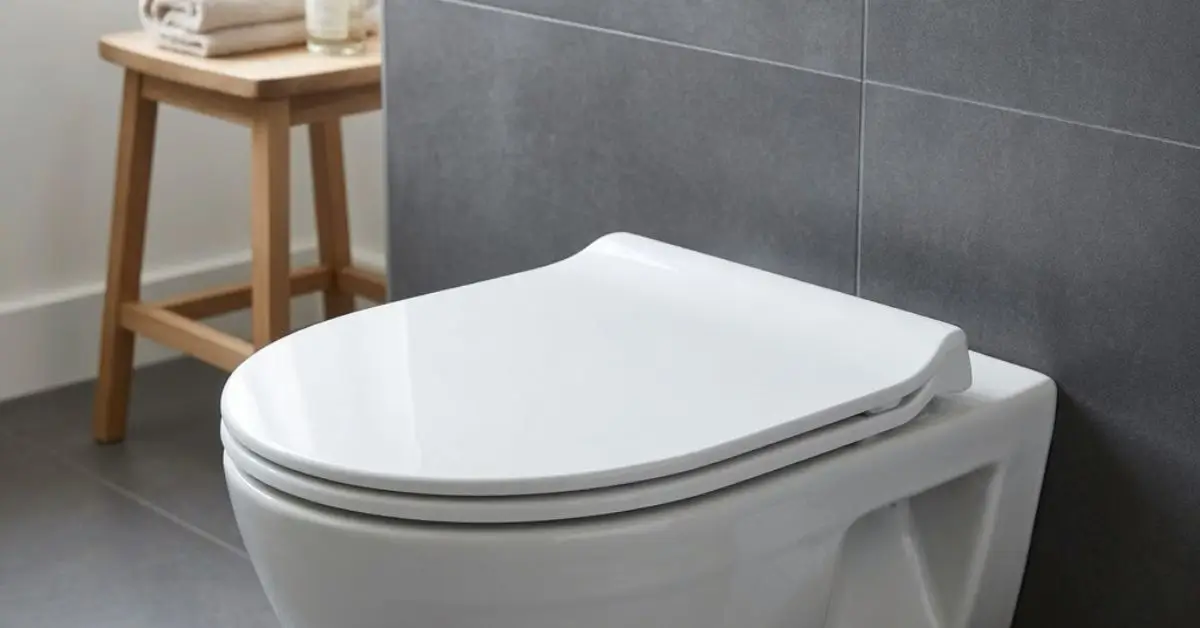

Bemis Toilet Seat
A toilet seat is one of those home fixtures that rarely gets thought about until it needs replacing. Then it becomes surprisingly complicated. Shapes vary. Sizes differ. Hinge systems are not universal. And standing in the hardware store aisle trying to remember whether your toilet is round or elongated is a genuinely frustrating experience.
Bemis is one of the most widely recommended toilet seat brands in the US, consistently praised for build quality, fit, and durability across a range of price points. But knowing the brand is good and knowing which specific model fits your toilet and meets your needs are two different things.
This guide covers what makes Bemis seats worth considering, how to identify which model suits your toilet and bathroom, how to measure correctly before buying, and how to install the seat properly so it stays put and functions well for years.
A Bemis toilet seat is a toilet seat manufactured by Bemis Manufacturing, one of the leading toilet seat brands in the United States. Bemis produces seats across a range of styles, materials, and feature sets, from basic replacement seats to slow-close, quick-release, and antimicrobial models. The brand is known for consistent fit quality, durable construction, and widespread availability in US home improvement and plumbing supply stores.
Quick Summary
Bemis toilet seats are available in round and elongated shapes, standard and slow-close hinge systems, and multiple material and finish options. Measuring your toilet bowl correctly before buying is the most important step in getting a seat that fits properly. Installation typically takes twenty to thirty minutes with a screwdriver. This guide covers selection, measurement, and installation in full.
Why Bemis Is a Trusted Toilet Seat Brand
Toilet seat quality varies significantly more than most buyers realize until they have experienced the difference between a seat that fits well, stays secure, and holds up to daily use versus one that wobbles, yellows, and cracks within a year.
Bemis has manufactured toilet seats in the US since 1901. That longevity reflects consistent quality standards that have sustained retailer and plumber confidence across generations of buyers. The brand is a first choice recommendation from many plumbing professionals precisely because its seats fit consistently, hinge systems are reliable, and replacement parts are available if something wears out.
This does not mean every Bemis seat is appropriate for every situation. The brand produces seats across a wide price range with meaningful differences in features and durability. Understanding what differentiates their product lines helps you choose the right one rather than simply buying the cheapest Bemis seat and hoping for the best.
The Bemis Product Range: What’s Available
Bemis organizes its seat lineup into several distinct categories. Here is what each offers and who it suits.
Standard Plastic Seats
The entry-level Bemis seat is a solid, durable plastic seat with standard fixed hinges. These are functional, long-lasting replacement seats suitable for any bathroom where the priority is reliable performance at a budget-friendly price point. Prices typically run $15 to $30.
The plastic used in quality Bemis seats is resistant to staining and maintains its color better than low-quality alternatives. A seat that yellows or stains within a year is a cost savings that reverses itself quickly.
Slow-Close Seats
Slow-close seats include a hinge mechanism that prevents the seat and lid from slamming down. The lid lowers itself slowly and quietly when released. This feature reduces wear on the hinge mechanism, eliminates the jarring noise of a slamming lid, and is particularly appreciated in households with children.
Bemis slow-close seats typically run $30 to $60. The hinge mechanism adds cost but also adds a noticeable quality-of-life improvement that most buyers appreciate daily. If you are replacing a seat in a shared bathroom or a home with young children, the slow-close feature is worth the additional spend.
Quick-Release Seats
Quick-release seats have a hinge system that allows the seat to be removed completely with a simple press or turn of the hinge post, without tools. This feature makes cleaning the area around the toilet hinge area significantly easier since the seat can be removed and replaced in seconds.
Standard seats accumulate grime in and around the hinge area that is difficult to clean without removal. A quick-release seat eliminates this frustration entirely. Bemis quick-release models often combine this feature with slow-close, offering both in a single seat in the $40 to $70 range.
Wood Core Seats
Bemis also produces seats with a wood core beneath the plastic or enamel coating. These seats feel more substantial than all-plastic options and are often chosen for their premium feel and aesthetic appeal. Enameled wood seats in particular offer a cleaner, more refined appearance than standard plastic.
Wood core seats require slightly more careful maintenance to prevent moisture infiltration at the edges. They are an excellent choice for a primary bathroom where appearance and feel matter more than in a utility bathroom.
Antimicrobial Seats
Bemis antimicrobial seats incorporate a built-in additive in the seat material that inhibits the growth of certain bacteria on the seat surface. These are a practical choice for households prioritizing hygiene, particularly in homes with young children or family members with compromised immune systems.
Antimicrobial protection does not eliminate the need for regular cleaning, but it provides an additional layer of hygiene protection between cleanings.
How to Measure for the Right Bemis Toilet Seat
This is the step most buyers skip and the most common reason a new seat does not fit correctly. Two measurements determine which seat your toilet needs.
Step 1: Determine the bowl shape
Stand over the toilet and look at the bowl from above. A round bowl is roughly circular or slightly oval with a shorter front-to-back dimension. An elongated bowl is noticeably longer front-to-back, with an oval shape that extends further toward the front.
If you are unsure by visual inspection, measure from the center of the bolt holes at the back of the bowl to the front of the bowl rim. Round bowls typically measure 16 to 17 inches. Elongated bowls typically measure 18 to 19 inches. This measurement confirms the shape before you buy.
Step 2: Measure the bolt spread
The two bolts that mount the toilet seat are typically 5.5 inches apart center to center, which is the standard spread used by most toilet manufacturers. Measure from the center of one bolt hole to the center of the other to confirm your toilet uses the standard spread.
Some older toilets have non-standard bolt spreads. If your measurement differs from 5.5 inches, you will need a seat that accommodates the non-standard spacing, which some Bemis models are designed to handle.
Step 3: Note the seat color
White is the standard color for most US toilets. However, older toilets sometimes have biscuit, bone, almond, or other off-white colors that require a matching or complementary seat color. Bemis offers seats in multiple color options for most of their lines.
Bemis Versus Other Toilet Seat Brands
| Feature | Bemis | Kohler | American Standard | Generic |
|---|---|---|---|---|
| US manufacturing presence | Yes | Limited | Limited | Rarely |
| Slow-close options | Yes | Yes | Yes | Some |
| Quick-release options | Yes | Yes | Some | Rarely |
| Color matching options | Extensive | Limited | Moderate | Limited |
| Price range | $15 to $100+ | $30 to $200+ | $25 to $150+ | $10 to $30 |
| Replacement parts available | Yes | Some | Some | Rarely |
| Plumber recommendation rate | High | High | High | Low |
Bemis consistently performs competitively on quality and features relative to its price point, which is why it is the first recommendation from many plumbing professionals for standard toilet seat replacement.
Choosing the Right Bemis Model for Your Bathroom
With measurements confirmed, choosing the right model comes down to a few practical questions.
What is the toilet’s primary use?
A seat in a primary bathroom used by adults benefits from a slow-close, quick-release combination for daily comfort and easy cleaning. A seat in a half bath used mainly by guests may only need a standard seat. A children’s bathroom benefits from slow-close to protect small fingers from slamming lids.
What is the budget?
Entry-level Bemis seats in the $15 to $30 range provide reliable performance. Mid-range slow-close and quick-release options in the $30 to $70 range add meaningful features. Premium wood core and feature-rich models above $70 suit primary bathrooms where experience and aesthetics are priorities.
What finish matches the bathroom?
For bathrooms with brushed nickel or chrome hardware, Bemis offers hinge caps in complementary finishes that create a more cohesive look than standard plastic hinge caps.
How to Install a Bemis Toilet Seat
Installing a toilet seat is one of the most accessible DIY plumbing tasks available. Most replacements take twenty to thirty minutes with a screwdriver and possibly a pair of pliers.
Step 1: Remove the old seat
Locate the plastic caps at the back of the existing seat covering the bolt heads. Pop them open or remove them to expose the bolt heads. Depending on the existing seat, the bolts may require a screwdriver from the top, a wrench on the nut beneath the bowl, or both. Once the bolts are removed, lift the old seat free.
Step 2: Clean the mounting area
With the old seat removed, clean the area around the bolt holes on the toilet bowl surface. Mineral deposits, grime, and old adhesive residue from hinge bumpers should be cleaned before installing the new seat.
Step 3: Position the new seat
Lower the new Bemis seat onto the bowl and align the hinge mounting holes with the bolt holes in the toilet bowl. The seat should sit centered on the bowl with equal overhang on each side.
Step 4: Insert and tighten the bolts
Insert the mounting bolts through the seat hinge and through the toilet bowl holes. Thread the nuts onto the bolts from beneath the bowl. Tighten by hand first, then use a screwdriver and pliers to snug the bolts without overtightening. Overtightening can crack the toilet bowl, so firm is sufficient without forcing.
Step 5: Check alignment and close the caps
Verify the seat sits centered and does not shift significantly when weight is applied. Close the plastic hinge caps over the bolt heads. Test the seat and lid for smooth operation, particularly if you installed a slow-close model.
Step 6: For quick-release seats
Quick-release seats have a hinge post that locks into a mounting bracket rather than using through-bolts directly. Install the mounting brackets to the toilet bowl using the provided hardware, then click the seat hinge posts into the brackets. The seat should release when the hinge buttons are pressed and reattach with a firm click.
Conclusion
A Bemis toilet seat is a reliable, well-made choice for almost any bathroom replacement project. The brand’s range covers every need from basic replacement to premium slow-close, quick-release, and wood core options. Choosing correctly comes down to measuring first, understanding which features matter for your specific bathroom, and matching the seat to the toilet’s shape and bolt spread.
The installation is genuinely manageable for most homeowners and takes less time than most people expect. With the right measurements in hand before you shop, the entire process from purchase to installed seat takes under an hour.
If this guide helped you prepare for your toilet seat replacement, take a look at our related articles on how to replace a toilet seat step by step and choosing the right bathroom fixtures for your renovation. Both give you the practical detail you need to complete your bathroom project confidently.