
How to Clogged Toilet Fix
There are few home problems as stressful as a clogged toilet especially when guests are over, or it happens late at night. One flush and suddenly the water starts rising instead of draining. Your stomach drops. You reach for the handle again. Bad idea.
The good news? Most blocked toilets can be fixed in under 30 minutes using tools you probably already have at home. No emergency plumber, no expensive service call.
This guide will walk you through exactly what to do — from identifying the type of blockage to choosing the right method to fix it. We’ll also cover what not to do, when to call a professional, and how to stop it from happening again.
Quick Summary
Most clogged toilets can be fixed with a good plunger, dish soap, or a toilet auger. Start with the plunger. If that doesn’t work, move to the hot water method or a drain snake. Avoid chemical drain cleaners they often make things worse.
What Is a Clogged Toilet Fix?
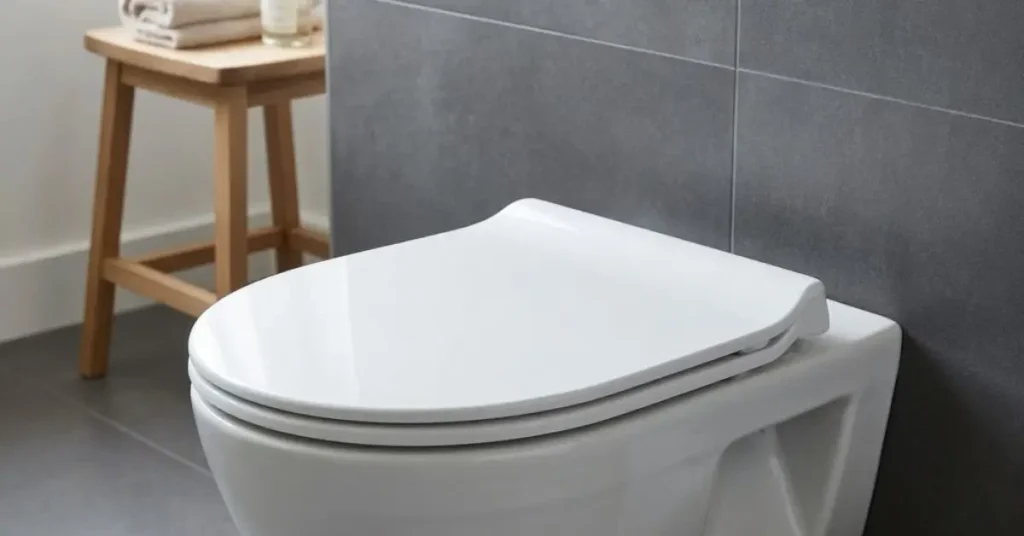
A clogged toilet happens when something toilet paper, waste, or a foreign object partially or fully blocks the drain pipe, preventing water from flowing normally. The toilet bowl fills up instead of draining, and flushing makes it worse. In mild cases, the blockage sits just below the bowl. In serious cases, the clog is deeper in the drain line or connected to the main sewer.
Why You Should Act Quickly
Leaving a blocked toilet sitting doesn’t help. Standing water in the bowl can overflow onto your bathroom floor, damage the flooring or subfloor underneath, and in rare cases, create a sanitation issue.
Acting quickly and calmly is always the better move. The longer a blockage sits, the harder it can become to shift.
Step 1: Stop the Water First
Before you do anything else, stop the toilet from overflowing.
Lift the lid off the tank at the back of the toilet. Inside, you’ll see a rubber flap called the flapper. Push it down to stop more water from entering the bowl.
There’s also a water shut-off valve on the wall or floor behind the toilet. Turn it clockwise to stop water flow completely. This gives you control of the situation before you start working on the blockage.
Step 2: Assess the Situation
Not all clogs are the same. Before grabbing a plunger, take 30 seconds to assess.
Mild clog: Water drains slowly but eventually goes down. The bowl doesn’t overflow.
Moderate clog: Water fills the bowl and stops. Won’t drain at all but doesn’t overflow.
Severe clog: Water rises to the rim. You can see it threatening to spill over. Flushing again would cause a flood.
Knowing the level of blockage helps you pick the right approach and avoid making things worse.
Step 3: Use a Plunger (The Right Way)
The plunger is your first tool and, in most cases, your only tool. But most people use it wrong.
Use a flange plunger, not a flat one. A flange plunger has a rubber extension that fits into the drain hole, creating a proper seal. A flat cup plunger is designed for sinks — it barely works on toilets.
Here’s how to do it properly:
- Put on rubber gloves. This is non-negotiable.
- If the bowl is too full, scoop out some water into a bucket. You need enough water to cover the plunger head — but not so much it splashes everywhere.
- Place the flange plunger over the drain hole and press down slowly to remove air from the cup.
- Push and pull with firm, controlled strokes — keep the seal tight. Don’t slam it aggressively.
- After 10 to 15 strokes, pull the plunger up quickly to break the seal.
- Watch if water starts draining. If yes, flush once to test. If not, repeat the process two or three more times.
Most mild to moderate clogs will clear within two or three rounds of proper plunging.
Step 4: Try the Hot Water and Dish Soap Method
If plunging isn’t shifting the clog, this method works surprisingly well for organic blockages like toilet paper buildup.
- Squirt a generous amount of dish soap into the toilet bowl — about the size of your fist if it were a liquid glob. Dish soap is slippery and helps lubricate the blockage.
- Heat a gallon of water until it’s hot — not boiling. Boiling water can crack the porcelain.
- Pour the hot water into the bowl from waist height. The pressure and heat help break up and push the blockage through.
- Wait 10 to 15 minutes and see if the water level drops.
This works well in situations where toilet paper or soft waste is the culprit. It won’t work on foreign objects or deep blockages.
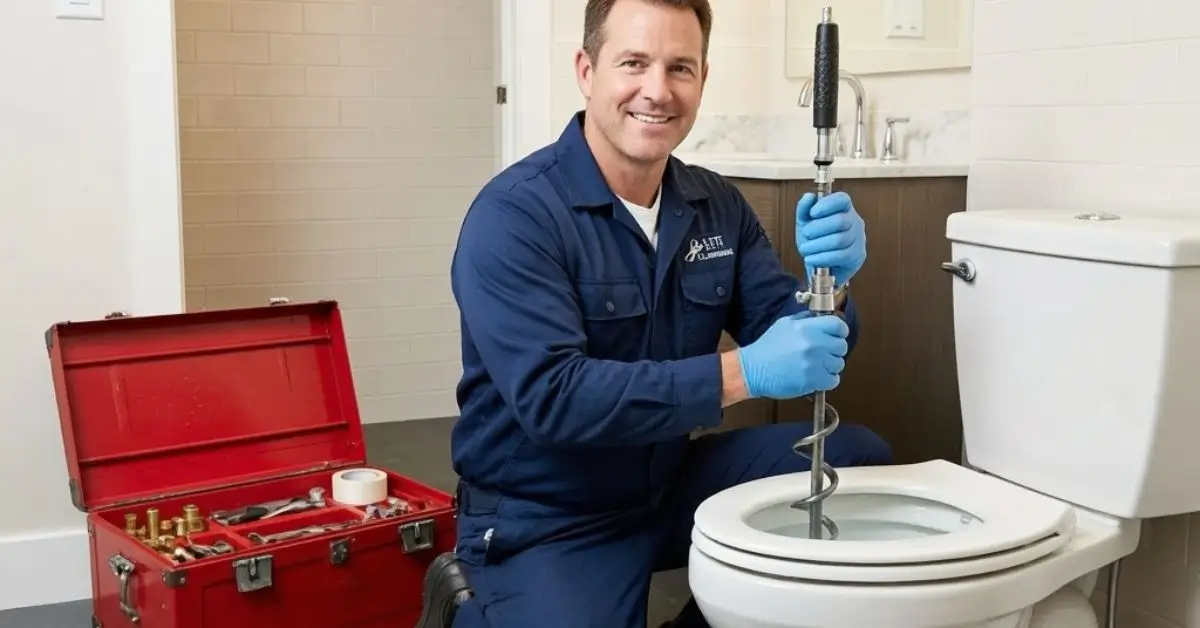
Step 5: Use a Toilet Auger (Drain Snake)
If the plunger and hot water method both fail, it’s time to bring in a toilet auger — also called a drain snake.
A toilet auger is a flexible cable tool designed to reach deeper into the drain pipe. You can buy one at any hardware store like Home Depot for around $20 to $35. It’s a smart investment for any homeowner.
How to use it:
- Insert the curved end of the auger into the toilet drain.
- Turn the handle clockwise as you push the cable deeper into the pipe.
- When you feel resistance, you’ve found the clog. Keep turning and applying gentle pressure — you’re either breaking it up or hooking it to pull out.
- Once the resistance clears, pull the auger back slowly (turning counterclockwise) and flush to test.
This method works for blockages that sit further down the pipe, beyond where a plunger can reach.
What NOT to Do
A few common mistakes can turn a simple clog into a bigger, more expensive problem:
Don’t flush repeatedly. Each flush adds more water to the bowl. If it’s already full, a second flush will overflow onto your floor.
Don’t use chemical drain cleaners. Products like Drano are not designed for toilets. They can damage the porcelain, rubber components inside the tank, and older pipes. They also rarely work on solid blockages.
Don’t use a wire coat hanger. It might seem clever, but it can scratch the porcelain inside the bowl and rarely reaches far enough to help.
Comparing Common Clog Fix Methods
| Method | Best For | Difficulty | Avg. Cost |
|---|---|---|---|
| Plunger | Most standard clogs | Easy | $10–$20 (tool) |
| Hot water + dish soap | Soft, paper-based clogs | Easy | Nearly free |
| Toilet auger | Deeper or stubborn clogs | Moderate | $20–$35 (tool) |
| Professional plumber | Severe or recurring clogs | N/A | $150–$300+ |
When to Call a Plumber
Most people can handle a clogged toilet fix at home. But some situations genuinely need a professional:
- The toilet has been backing up repeatedly over days or weeks
- Multiple drains in your home are slow (this points to a main sewer line issue)
- You can hear gurgling from other drains when you flush
- You’ve tried all the above methods and nothing works
- A foreign object like a toy or a full roll of toilet paper was flushed and is lodged deep
In the US, a standard plumber visit for a blocked toilet runs between $150 and $300 depending on your area and the complexity of the job. That cost is almost always worth it when the problem is beyond a simple blockage.
How to Prevent Toilet Clogs
Fixing the problem once is good. Stopping it from happening again is better.
Use less toilet paper. This is the most common cause of blocked toilets. If you use a lot, flush in two stages — midway through and again at the end.
Only flush toilet paper. Wet wipes — even ones labeled “flushable” — do not break down the way toilet paper does. They’re one of the leading causes of serious pipe blockages across the US and UK.
Keep a small bin in the bathroom. Dispose of cotton pads, q-tips, and similar items in a bin, not the toilet.
Pour hot water down the toilet once a month. This helps keep buildup from accumulating in the pipe over time.
Have your drains inspected every few years. This is especially useful in older homes where pipe buildup is more common.
Conclusion
A blocked toilet is frustrating, but it’s rarely a disaster — not if you act quickly and use the right approach. Start with a quality flange plunger and proper technique. If that doesn’t do it, move to the hot water and dish soap method, and then the toilet auger if needed.
Know your limits. If the clog keeps coming back or multiple drains in your home are slow, that’s your signal to call a licensed plumber before the problem grows.
With the right tools and a bit of patience, you can handle a clogged toilet fix yourself and save the cost of an emergency callout.
Frequently Asked Questions
Can I fix a clogged toilet without a plunger?
Yes. Try dish soap and hot water first. Pour some dish soap into the bowl, then add hot — not boiling — water and wait 10–15 minutes. This often helps loosen soft paper clogs.
Why does my toilet keep getting clogged?
Repeated clogs usually mean too much toilet paper, flushing wipes or other items, or a deeper blockage in the drain line. If it keeps happening, the drain may need a professional inspection.
How long does it take to unclog a toilet?
Most toilet clogs can be cleared in 15 to 30 minutes. Easy clogs may take just 5 to 10 minutes, while tougher blockages can take longer.
Is it safe to use Drano or drain cleaner in a toilet?
No. Chemical drain cleaners are not a good choice for toilets. They can damage parts of the toilet and usually do not work well on solid clogs.
What should I do if something was flushed by accident?
Stop flushing right away. If you can see the item, remove it with gloves. If it is deeper in the drain, use a toilet auger or call a plumber.