
Adding a Shower to a Half Bath
A half bath is useful. But when your home only has one full bathroom and a powder room, mornings can get complicated fast. Guests have nowhere to shower. A finished basement with a half bath feels like a missed opportunity. And if you are thinking about resale value, a three-quarter or full bath almost always adds more than a powder room.
Adding a shower to a half bath is one of the most popular home upgrades in the US right now. But it is not as simple as installing a shower stall and calling it done. Space, plumbing, ventilation, and local building codes all play a role. Getting this wrong costs real money.
This guide walks you through everything you need to know before you start, from checking if your space can handle it to understanding what the project will realistically cost.
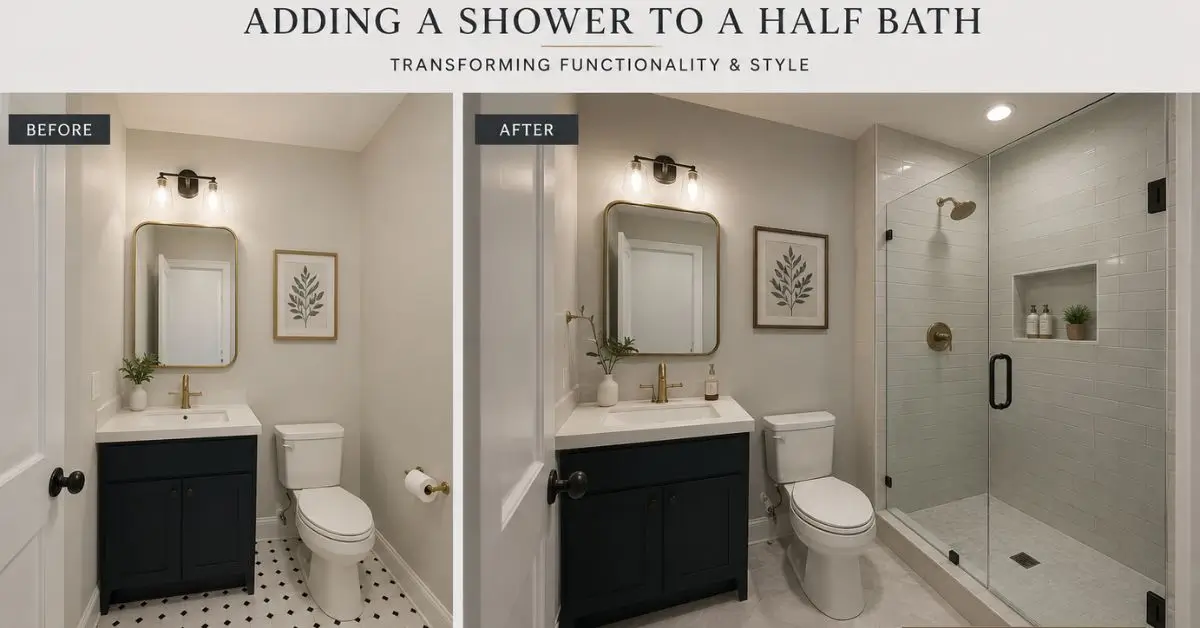
Adding a shower to a half bath means converting a powder room, which typically contains only a toilet and sink, into a three-quarter bath by installing a shower unit, drain, water supply lines, and proper ventilation. This upgrade increases the bathroom’s function and typically adds value to the home.
Quick Summary
You can add a shower to a half bath, but the project involves real plumbing work, space planning, ventilation, and permits. It is absolutely worth doing in the right situation. The average cost in the US runs between $3,000 and $8,000 depending on your layout and what needs to move. Read this before you hire anyone or buy anything.
Is Your Half Bath a Good Candidate?
Before anything else, you need to answer one honest question. Does your half bath have enough space and the right plumbing access to make this work?
A standard shower stall needs at least 36 by 36 inches of floor space. That is the minimum. A 36 by 48 inch shower is more comfortable and is easier to find ready-made enclosures for. If your half bath is extremely tight, this becomes the first challenge to solve.
Measure your current space with the toilet and sink in place. Then think about whether you can fit a shower in the remaining area without the room feeling impossible to use. Some homeowners move the toilet slightly or swap to a smaller wall-hung toilet to free up space. Others choose a corner shower unit specifically designed for compact bathrooms.
If the room is genuinely too small, no amount of planning changes that fact. Be honest with yourself early.
The Plumbing Reality: What Actually Needs to Happen
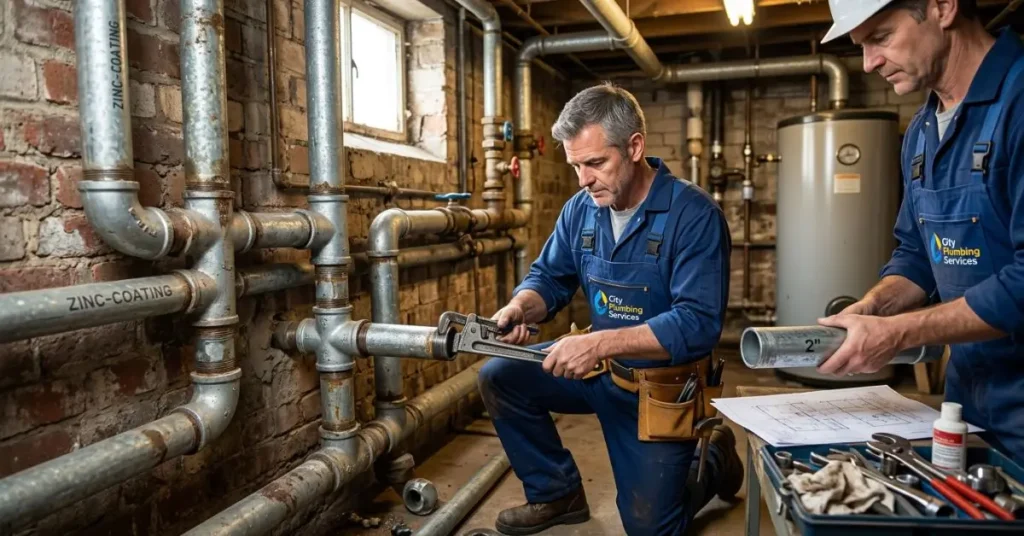
This is where most homeowners underestimate the project. Installing a shower is not just about the unit itself. It requires real plumbing changes that affect your floor, walls, and possibly your main drain stack.
A new drain line
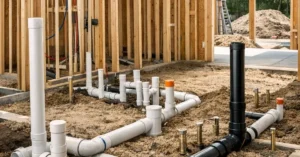
A shower needs its own drain. That drain has to connect to your existing drain system, which usually means cutting into the floor to run a new drain line. Depending on how your home is built, this could be relatively straightforward or quite involved.
In homes built on a slab foundation, cutting concrete to add a drain is a serious undertaking. It is doable, but it adds cost and labor. In homes with a crawl space or basement below, accessing and running a new drain line is much easier.
New water supply lines
Your shower needs hot and cold supply lines running to the shower valve. If your existing supply lines are nearby, this is not a huge job. If they are on the opposite wall, you are looking at more pipe running and more wall work.
Proper venting
Every drain in a properly built bathroom needs to be vented. If your half bath already has a vent stack serving the toilet and sink, a plumber can often tie the new shower drain into that existing vent. If not, adding a vent is another task that adds to the overall scope.
Ventilation: The Part Most People Forget
Showers produce a lot of steam and moisture. A half bath that was fine with just a toilet and sink suddenly needs much better ventilation once a shower is added.
If your current powder room has no exhaust fan, you need to add one. This is not optional. Without proper ventilation, you will get mold growth inside the walls and ceiling within months. That problem costs far more to fix than the fan would have.
The exhaust fan needs to vent to the outside of the home, not just into the attic. Many older fans duct into the attic space, which is not compliant with current building codes in most US states and creates its own moisture problems up there.
A bathroom exhaust fan rated for the square footage of your room is a straightforward addition, but factor it into your project budget from the start.
Choosing the Right Shower for a Small Space
The shower unit you choose matters a lot when space is limited. Here are the most practical options for a compact bathroom conversion.
Prefabricated shower stall
This is the most cost-effective choice. Prefab shower stalls come in standard sizes, install relatively quickly, and are widely available at home improvement stores. A 32 by 32 or 36 by 36 inch corner unit works well in tight spaces.
Neo-angle shower
A triangular-footprint shower that fits into a corner. This style uses space very efficiently and can work in rooms where a square stall simply will not fit. The glass panels give it a clean, open look.
Custom tile shower
Built from scratch using a shower pan and tile walls. More expensive and time-consuming, but it gives you complete control over the size and shape. This is the right choice if your space has an unusual layout that standard units cannot accommodate.
Walk-in shower with no door
A doorless wet room style shower works surprisingly well in small bathrooms. Without a door or enclosure to swing open, you actually save usable space. The floor needs to slope properly toward the drain, and the layout needs to keep water from reaching the toilet and sink area.
Permits and Building Codes: Do Not Skip This Step
Adding a shower to a half bath is a plumbing and construction project that requires permits in most US cities and counties. This is not a step you can skip without creating real problems later.
Unpermitted bathroom work shows up during a home inspection when you sell. It can complicate your homeowner’s insurance if something goes wrong. And in some cases, you may be required to tear out the work and redo it with proper inspections.
Pull the permit. It usually costs between $50 and $200 depending on your location, and it protects your investment.
Your local building department can tell you exactly what inspections are required. At minimum, expect a rough-in inspection before walls are closed and a final inspection once the project is complete.
What Does It Cost to Add a Shower to a Half Bath?
Cost depends on your location, your existing plumbing layout, and the materials you choose. Here is a realistic breakdown.
| Cost Factor | Estimated Range |
|---|---|
| Prefab shower unit | $300 – $1,500 |
| Custom tile shower | $1,500 – $4,000+ |
| Plumbing labor (drain, supply, vent) | $1,000 – $3,000 |
| Exhaust fan installation | $150 – $400 |
| Drywall and tile work | $500 – $2,000 |
| Permit fees | $50 – $200 |
| Total project estimate | $3,000 – $8,000+ |
Slab homes or homes with complicated drain access will land toward the higher end. Homes with easy crawl space or basement access and nearby plumbing will cost less.
A real example: A homeowner in Phoenix, Arizona converted their basement half bath into a three-quarter bath using a prefab corner shower unit. With easy access to plumbing below through the crawl space, the total project came in at around $4,200, including labor, materials, and permits.
Step-by-Step Overview of the Conversion Process
Here is what the process looks like from start to finish so you know what to expect.
Step 1: Assess the space and plumbing
Measure the room and confirm where your existing drain stack and supply lines run. A plumber can do this assessment quickly and tell you what is realistic.
Step 2: Pull permits
Contact your local building department and apply for the necessary permits before any work starts.
Step 3: Rough-in plumbing
A licensed plumber installs the shower drain, runs supply lines to the shower valve location, and ties into the vent system. This is the most important part of the project.
Step 4: Rough-in inspection
Before walls close, a building inspector checks the rough-in plumbing to confirm it meets code.
Step 5: Install the shower unit
The shower stall or tile shower is installed once plumbing passes inspection. Waterproofing is done at this stage for tile showers.
Step 6: Finish work
Drywall, paint, exhaust fan, fixtures, and any tile work are completed.
Step 7: Final inspection
A final walkthrough inspection confirms everything is complete and code-compliant.
When It Is Not Worth Doing
Adding a shower to a half bath makes a lot of sense in the right situation. But there are cases where the project does not make financial sense.
If your half bath sits on a concrete slab with no nearby plumbing, the cost of cutting concrete and running new lines could push your project well past $10,000. In that case, the added home value may not justify the spend.
If the room is genuinely too small to fit even a compact shower without the bathroom becoming unusable, it is better to look at other options rather than force something that will not work well.
Always get two or three plumber quotes before committing. The difference in quotes can be significant, and a good plumber will tell you honestly if the project is worth pursuing in your specific situation.
Conclusion
Adding a shower to a half bath is one of those home improvement projects that genuinely pays off when it is done right. It makes daily life easier, adds real value to your home, and turns an underused room into something the whole household benefits from.
The key is going in with clear eyes. Understand your space, get your plumbing assessed early, pull the right permits, and work with a licensed plumber for the rough-in work. Do those things and the rest of the project falls into place.
If this guide helped you think through the project more clearly, check out our articles on bathroom plumbing rough-in measurements and how to plan a small bathroom layout. Both will give you the detail you need for the next stage of your project.