
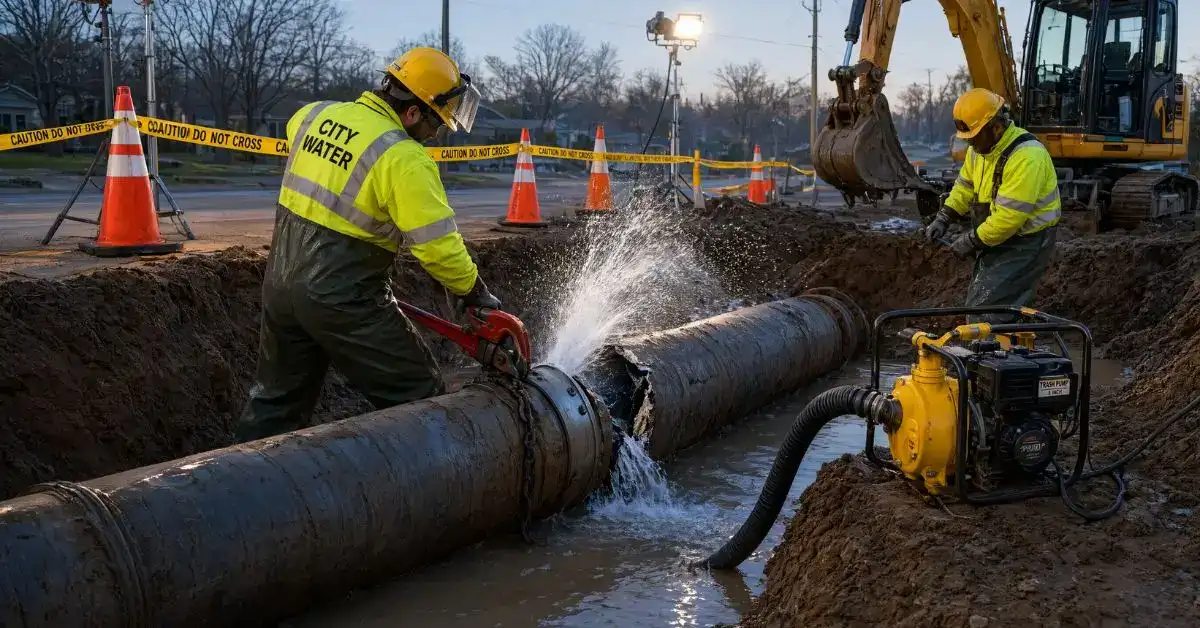

Burst Pipe Repair: What to Do Immediately, How It Works, and What It Costs
A burst pipe is one of the most stressful home emergencies a homeowner can face. Water is actively damaging your home — soaking into walls, floors, and ceilings — and every minute it runs unchecked makes the situation worse. Most people know they need to do something immediately but aren’t entirely sure what that something is.
The decisions you make in the first ten minutes of a burst pipe situation directly affect how much damage your home sustains and how much the total repair bill ends up being. Acting quickly and correctly limits the damage. Panicking or waiting limits your options.
This guide walks you through everything you need to know — the immediate steps to stop the damage, how burst pipe repair actually works, the difference between a temporary fix and a proper repair, honest cost estimates, and when calling a licensed plumber is the only sensible option. Whether you’re dealing with a burst right now or preparing so you know what to do if it happens, this is the guide that gives you the full picture.
Burst pipe repair refers to the process of identifying, containing, and permanently fixing a pipe that has split, cracked, or ruptured — typically caused by freezing temperatures, corrosion, excessive water pressure, or physical damage. The repair process ranges from temporary patching to full pipe section replacement, depending on the severity and location of the break.
Quick Summary
A burst pipe requires immediate water shutoff, damage limitation, and professional assessment. Temporary fixes can buy time, but most burst pipe repair situations require a licensed plumber for a permanent solution. This guide covers every step from emergency response to final repair.
The First Thing You Do: Shut Off the Water
Before anything else — before calling a plumber, before assessing the damage, before anything — shut off the water supply.
Every homeowner should know where their main water shutoff valve is before an emergency happens. In most US homes, it’s located near the water meter — either in the basement, crawl space, utility room, or outside near the foundation. Turn it clockwise until it stops. This cuts water flow to the entire house and stops the active damage immediately.
If you can’t find the main shutoff valve, look for an individual shutoff valve closer to the burst pipe — under sinks, behind toilets, or near appliances. These control water to specific fixtures rather than the whole house, which is a faster option when the burst is clearly localized.
Once the water is off, the emergency phase is over. Now you can think clearly and assess the situation properly.
Immediate Steps After Shutting Off the Water
With the water stopped, these actions limit the total damage and set you up for a faster repair:
Turn off the electricity in affected areas
Water and electricity are a dangerous combination. If the burst pipe has caused water to reach walls, ceilings, or floors near electrical outlets, light fixtures, or panels, switch off the circuit breakers for those areas immediately. Don’t touch electrical switches or outlets in wet areas before doing this.
Open cold taps to drain remaining water
Even with the main supply off, water remains in the pipes. Open cold taps throughout the house to drain this residual water and reduce the pressure on the damaged section. Don’t run hot taps — you want to keep water in the hot water tank unless you’re advised otherwise by a plumber.
Contain and document the water damage
Use towels, buckets, and mops to contain standing water as much as possible. Then photograph everything before cleanup — the burst pipe itself, the water damage to walls, floors, and any personal property. This documentation is essential for home insurance claims.
Call your home insurance company
Most homeowner’s insurance policies in the US cover sudden and accidental water damage from burst pipes. Call your provider as soon as possible — they’ll advise on the claims process and may have preferred contractors for the repair work.
What Causes Pipes to Burst
Understanding why pipes burst helps both with the immediate repair and with preventing future incidents.
Frozen pipes
This is the most common cause of burst pipes in cold-climate US states — Minnesota, Michigan, Colorado, New England, and similar regions. When water freezes inside a pipe, it expands. That expansion creates pressure that the pipe eventually can’t contain. The burst often doesn’t happen at the frozen section itself — it happens where pressure has built up between the frozen blockage and a closed tap or valve.
Corrosion
Older homes with galvanized steel or cast iron pipes experience corrosion over time. Rust weakens the pipe walls, and a burst can happen at any point where corrosion has thinned the material enough to fail under normal water pressure.
High water pressure
Normal household water pressure runs between 40–80 PSI in the US. Consistently higher pressure stresses pipes and joints over time, increasing the risk of failure at the weakest points in the system.
Physical damage
Construction work, ground movement, or accidental impact can damage pipes directly. In older homes, minor damage from previous work can weaken a pipe section that eventually fails.
Age and material failure
All pipes have a lifespan. Copper pipes typically last 50+ years. Galvanized steel lasts 20–50 years. PVC and CPVC last around 25–40 years. Pipes at the end of their expected lifespan are significantly more prone to failure.
Temporary Fixes: Buying Time Before Professional Repair
In some situations, a temporary fix is the right immediate move — it stops or significantly reduces water flow while you wait for a plumber.
Pipe repair clamp
A pipe repair clamp is a metal sleeve with a rubber gasket that you fit around the damaged section and tighten with bolts. It’s available at most hardware stores in the US for $10–$30 and provides a reliable temporary seal on a straight pipe section. It’s not a permanent repair, but it holds well enough to restore limited water use while waiting for a plumber.
Epoxy putty
For small cracks or pinholes on a dry pipe, epoxy putty can provide a temporary seal. You knead it, press it into the crack, and let it cure. It handles low-to-moderate pressure well but isn’t suitable for joints, fittings, or high-pressure sections. Available at hardware stores for under $15.
Pipe repair tape
Silicone self-fusing repair tape wraps around a damaged pipe section and bonds to itself under pressure. It works on small leaks and pinholes, particularly on pipes with regular shapes. It’s a genuine temporary option — not a long-term solution.
Important note: These temporary fixes are exactly that — temporary. They buy time and reduce active damage, but they don’t replace a proper burst pipe repair. A licensed plumber should assess and permanently fix any burst pipe situation.
How Professional Burst Pipe Repair Works
A licensed plumber assesses the full situation before making any repair decision. Here’s how the professional repair process typically unfolds:
Assessment and diagnosis
The plumber identifies the burst section, assesses the extent of the damage, and checks for secondary damage to surrounding pipe sections. They also look for contributing causes — high pressure, corrosion, frozen sections — that need to be addressed to prevent recurrence.
Pipe section replacement
For most burst pipe repairs, the plumber cuts out the damaged section and replaces it with new pipe of the same or compatible material. For copper pipe, this involves soldering new pipe sections and fittings. For PVC or CPVC, it involves cutting and gluing new sections. For PEX — a flexible plastic pipe increasingly common in US homes — sections are connected with push-fit or crimp fittings without soldering.
Joint and fitting repair
If the burst occurred at a joint or fitting rather than in the middle of a pipe run, the plumber replaces the fitting and re-connects the pipe runs on either side.
Pressure testing
After the repair, the plumber restores water pressure and checks for any leaks at the repair site and in surrounding sections that may have been stressed by the original burst.
Damage assessment recommendation
A responsible plumber will flag any secondary water damage — to insulation, wall cavities, subfloor material — that should be addressed to prevent mold growth. This isn’t the plumber’s job to fix, but noting it is part of professional service.
What Burst Pipe Repair Costs in the US
Cost varies significantly depending on pipe location, material, and extent of damage. Here are realistic ranges for US homeowners:
| Repair Type | Typical US Cost Range | Notes |
|---|---|---|
| Simple pipe section replacement | $150–$400 | Accessible pipe, minor damage |
| Joint or fitting replacement | $100–$300 | Depends on location and material |
| Pipe repair in wall or ceiling | $500–$1,500+ | Access cutting adds labor cost |
| Frozen pipe thawing and repair | $200–$600 | Includes thawing and section repair |
| Emergency after-hours call | Add $150–$300 | Weekend and overnight premiums apply |
| Water damage restoration | $1,000–$5,000+ | Separate from plumbing repair |
Home insurance often covers the pipe repair and water damage restoration for sudden, accidental bursts — but not for damage from gradual leaks or deferred maintenance. Always confirm coverage with your provider before authorizing major repair work.
How to Prevent Burst Pipes
Prevention is significantly cheaper than repair. These steps reduce burst pipe risk substantially:
Insulate vulnerable pipes
Pipes in unheated spaces — garages, crawl spaces, exterior walls — are at the highest risk of freezing. Foam pipe insulation is inexpensive and installs in minutes. It’s the single most effective protection against freeze-related bursts.
Keep your home above 55°F when away
During cold weather, maintaining minimum indoor temperature protects pipes in interior walls. Setting your thermostat no lower than 55°F when traveling is standard advice from plumbers and insurance companies alike.
Let cold taps drip during extreme cold
A slow drip from cold taps during extreme cold weather keeps water moving through the pipes, which significantly reduces freezing risk. This wastes some water but costs far less than a burst pipe repair.
Check and regulate water pressure
A water pressure gauge — available at hardware stores for under $15 — lets you check your home’s water pressure. If it consistently exceeds 80 PSI, a pressure-reducing valve can protect your pipes and appliances.
Know your pipe material and age
If your home has older galvanized steel pipes, they’re approaching the end of their lifespan. A plumber can assess their current condition and advise on proactive replacement before a failure happens.
Conclusion
A burst pipe is stressful, but it’s manageable when you know what to do and in what order. Shutting off the water immediately, limiting the damage, documenting everything, and calling a licensed plumber for the permanent repair — that sequence protects both your home and your insurance claim.
If this guide helped you handle the situation or prepare for one, explore more home plumbing and maintenance content on this site. There’s practical guidance here for everything from routine maintenance to emergency repair situations.
Frequently Asked Questions
What should I do first if a pipe bursts?
Shut off the main water supply immediately. Turn off electricity in affected areas, contain the water, document the damage, and contact your insurer and a licensed plumber.
Can I repair a burst pipe myself?
You can use a clamp, epoxy, or repair tape as a temporary fix. Permanent repairs are best handled by a licensed plumber.
How much does burst pipe repair cost?
Basic repairs typically cost $150–$1,500 in the US. Water damage restoration can cost significantly more depending on the damage.
How long does burst pipe repair take?
Simple repairs may take one to three hours. Repairs requiring access through walls, floors, or ceilings can take longer.
Does home insurance cover burst pipe damage?
Many standard US policies cover sudden and accidental burst pipe damage, but gradual leaks and poor maintenance are often excluded. Check your policy and contact your insurer.
How can I prevent pipes from bursting in winter?
Insulate exposed pipes, keep your home above 55°F, and let vulnerable faucets drip during extreme cold. A pre-winter plumbing inspection can also help.


One thought on “Burst Pipe Repair: What to Do and What It Costs”